Dispatch automation cuts drive time, matches every job to the right technician automatically, and frees dispatchers to handle exceptions instead of typing schedules by hand. Meituan's intelligent dispatching system cut average delivery time significantly and courier travel distance substantially after deployment at scale. A large ride-hailing platform running reinforcement learning based dispatch saw driver income gains near 1.3% in controlled tests, with some metrics improving over 5% after full rollout. For HVAC, electrical, and plumbing operators, Tradepilot applies the same logic to job-to-technician matching by skill, availability, and location.
- Reduces windshield time between jobs
- Raises first-time-fix rates through better skill matching
- Recalculates routes and ETAs as conditions change
- Frees schedulers from manual, reactive dispatching
Key Takeaways
Dispatch automation improves scheduling and routing outcomes most when it combines skill-aware matching with real-time re-optimization and clean underlying data.
| Point | Details |
|---|---|
| Lead with outcomes, not features | Travel time, first-time-fix rate, and utilization are the KPIs that justify the switch. |
| Match algorithm to volume | Rules-based and OR-optimization suit predictable routes; RL approaches need high job volume to earn their complexity. |
| Pilot before full rollout | Run new dispatch logic in "suggested" mode first, then measure before enforcing it fully. |
| Data quality decides success | Bad addresses and missing telematics undercut even the best-designed dispatch algorithms. |
| Tradepilot fits trades specifically | Its AI matches HVAC, electrical, and plumbing jobs by skill, availability, and location inside one integrated platform. |
Table of Contents
- What Features Should a Dispatch Automation System Have?
- How Does Dispatch Automation Actually Work?
- What ROI Can You Expect From Automated Dispatch?
- Who Actually Uses Dispatch Automation?
- How Do You Choose and Roll Out Dispatch Automation?
- What Are the Limits of Dispatch Automation?
- How Does Tradepilot Fit This Checklist?
- Primary Sources and Further Reading
- What Actually Matters When You Cut Through the Vendor Noise
- Get Tradepilot Dispatching the Right Tech, the First Time
- Sources
What Features Should a Dispatch Automation System Have?
Not every platform marketed as "AI dispatch" does the same job. Before you sign a contract, check the software against what actually moves the needle in daily operations.
- Skill and certification aware assignment. The system should know which technicians are licensed for gas work, which carry EPA refrigerant certifications, and route jobs accordingly, not just to whoever is closest.
- Availability and shift rule enforcement. Automated dispatch software needs to respect shift boundaries, time-off requests, and overtime thresholds without a human double-checking every assignment.
- Dynamic routing with live ETA recalculation. Traffic, weather, and job overruns should trigger automatic re-routing, not a dispatcher noticing an hour later that a tech is stuck.
- Capacity and workload balancing. Fleet dispatch automation should spread jobs evenly so one crew isn't buried while another sits idle, and for trucking fleets, it must track hours-of-service limits.
- Real-time tracking and SLA visibility. Dispatch tracking services that show live technician location and automatic customer notifications cut the "where's my tech" phone calls that eat dispatcher time.
- Integrations that actually connect. Look for native links to your ERP, CRM, inventory system, and telematics, plus a driver-facing app that handles exceptions without a phone call back to base.
Pro Tip: Ask a vendor to show you what happens when a technician marks a job "can't complete" mid-route. If the system can't reassign automatically within seconds, it's not real dispatch automation, it's a scheduling calendar with extra steps.
How Does Dispatch Automation Actually Work?
Underneath the marketing language, automated dispatch systems run on one of three approaches, and knowing the difference helps you evaluate vendor claims about "AI-powered" routing.
Rules-based systems apply fixed logic: nearest available tech, first-in-first-out queues, hard skill filters. They're predictable but brittle when conditions change fast.
Optimization (operations research) engines solve routing and assignment as a combinatorial problem, weighing distance, time windows, and capacity simultaneously. These work well for predictable, high-volume routes like waste collection or scheduled deliveries.
Machine learning and reinforcement learning approaches learn from historical outcomes and update assignment policies as new data arrives. A reinforcement learning dispatch algorithm deployed in a large ride-hailing marketplace split its architecture into a low-latency assignment module for real-time decisions and a high-throughput learning module that updates policy in the background. Separate research on asynchronous dynamic vehicle dispatching using deep reinforcement learning found simulated substantial reductions in passenger delay compared to static rules.
- Rules-based: fast, transparent, weak on complexity
- OR-optimization: strong for stable, high-volume routes
- ML/RL: adapts continuously, needs volume and clean data to shine
The tradeoff is computed cost and data hunger. Reinforcement learning needs a steady stream of GPS, job outcomes, and historical patterns to learn from, which is why it tends to pay off most in high-frequency operations rather than a five-truck HVAC company running twelve jobs a day.
What ROI Can You Expect From Automated Dispatch?
The KPIs that matter to your P&L are travel time per job, first-time-fix rate, jobs completed per shift, technician utilization, on-time arrival rate, and cancellation rate. Track all six before and during any pilot, not just one.
A simple ROI model: if automation cuts average travel time by 15 minutes across 8 daily jobs for a 10-technician crew, that's roughly 20 extra billable hours a week, which at a $150 average job value adds up fast without hiring anyone new.
Large-scale evidence backs the direction of that math, even if your numbers will be smaller. Meituan's dispatching system reduced courier travel distance by about 24% at scale. To prove value in your own operation:
- Run new dispatch logic in parallel with your current process, not as a full replacement on day one
- Pick 3 to 4 KPIs before you start, not after
- Compare identical job types and territories, not your best crew against your worst
Who Actually Uses Dispatch Automation?
The technology bends to fit very different operations, and the priority features change by industry.
- HVAC, electrical, and plumbing: skill and certification matching, parts availability checks, and first-time-fix rate matter most since a wrong-skill dispatch means a second truck roll.
- Trucking (truckload and less-than-truckload): hours-of-service compliance, load matching, and backhaul optimization drive the math.
- Last-mile couriers: high-frequency reassignments, order batching, and minute-level ETA updates dominate, since routes change dozens of times a shift.
- 3PLs and private fleets: blended workforce management, SLA tiering by customer contract, and cross-docking coordination are the differentiators.
How Do You Choose and Roll Out Dispatch Automation?
Selecting the wrong platform is expensive twice: once in subscription cost, once in the productivity you lose fighting bad software for a year. Work through this before signing anything.
- Confirm industry fit. A system built for parcel delivery won't handle certification-based skill matching for gas line work.
- Check integration depth. Ask specifically whether it connects to your existing inventory, invoicing, and telematics, not just whether an "API exists."
- Test data ownership terms. Confirm you keep your historical job and customer data if you switch providers later.
- Ask vendors about latency. How many seconds does reassignment take when a job falls through? For real-time dispatch software, this number should be measured in seconds, not minutes.
- Confirm HOS and blended workforce support if you run drivers subject to federal hours limits or mix W2 techs with contractors.
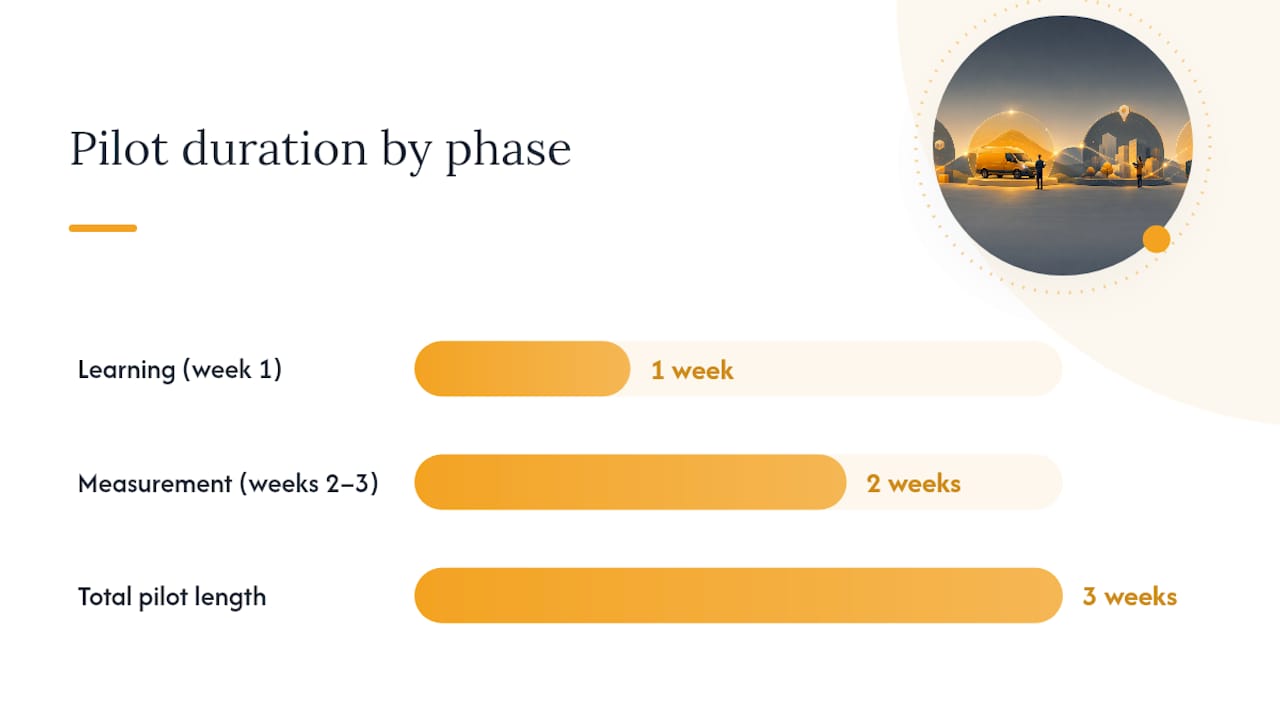
- Design a bounded pilot. Run the new system in "suggested" mode first, where dispatchers see recommendations but retain override authority, then move to full automation once you've measured the effect on completion times and exceptions.
Pro Tip: Run your pilot for at least three full weeks. Week one is dispatchers learning the interface, not a fair test of the algorithm.
Change management determines whether the rollout sticks. Train dispatchers on override procedures before go-live, and give technicians a clear channel for flagging bad assignments, or adoption stalls regardless of how good the routing engine is.
What Are the Limits of Dispatch Automation?
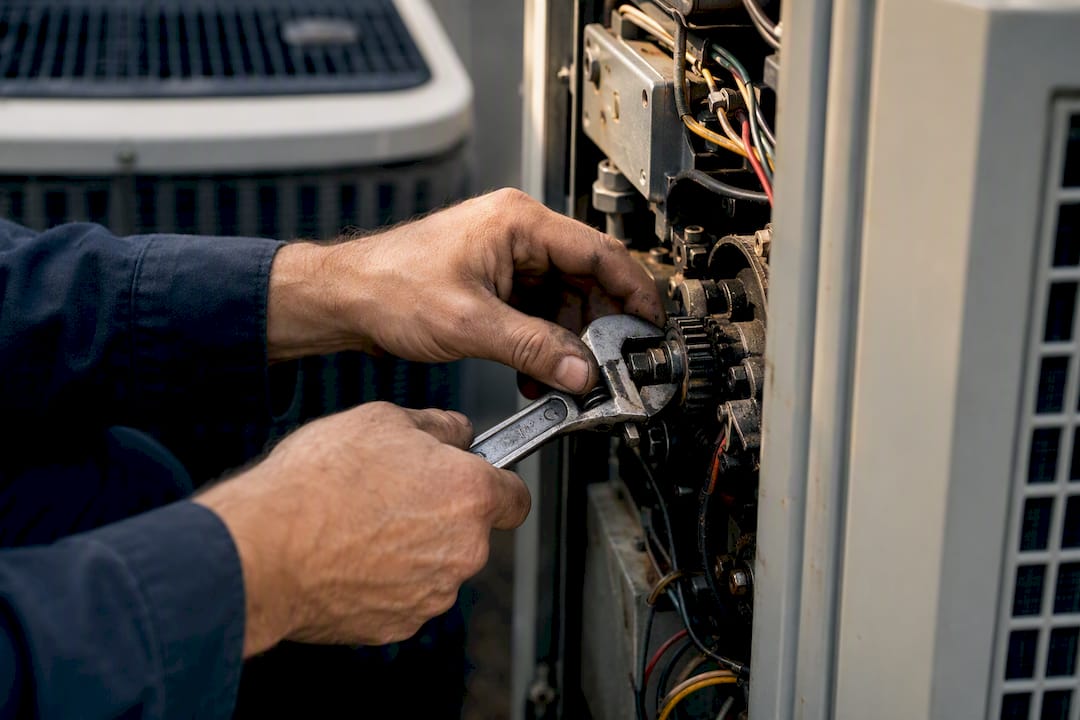
No system fixes bad inputs. Address-matching errors, missing telematics feeds, and incomplete service history routinely undercut even strong optimization for dispatch.
Dispatcher and driver buy-in matters as much as the algorithm. A crew that overrides every suggested assignment defeats the purpose, and exception handling volume can spike during rollout before it drops.
For trucking fleets, FMCSA hours-of-service rules are a hard regulatory floor, not a suggestion. Dispatch logic must enforce HOS limits automatically, and any system that doesn't should be a disqualifier.
- Keep a manual override path for emergencies and edge cases
- Don't fully automate dispatch during the first weeks of any major service change
How Does Tradepilot Fit This Checklist?
Tradepilot matches every job to the best-fit HVAC, electrical, or plumbing technician by skill, availability, and location using advanced AI automation tools in under a second, then keeps dispatch, invoicing, inventory, and analytics inside one platform instead of four disconnected tools.
Against the evaluation checklist above, that means skill-aware assignment out of the box, real-time reassignment when jobs change, and integrated inventory data so a dispatcher isn't guessing whether a tech has the part on the truck.
The right tech, matched the first time, isn't a marketing line. It's the specific operational outcome that shows up in fewer callbacks and fewer wasted truck rolls.
- AI matching by skill, availability, and location
- One platform for dispatch, invoicing, inventory, and analytics
- Built specifically for trades, not adapted from a general logistics tool
Primary Sources and Further Reading
Key references: FMCSA hours-of-service rules, Meituan dispatching study, and ServicePower's dispatch software glossary.
What Actually Matters When You Cut Through the Vendor Noise
Most dispatch automation pitches lead with "AI" like it's a feature instead of a technique. It isn't. The research backing reinforcement learning based dispatch is genuinely strong, but it's strong for operations running thousands of jobs a day with dense historical data, not for a twelve-truck plumbing outfit. If you're that outfit, a well-built optimization or matching engine will outperform a "learning" system that has nothing to learn from yet.
The conventional advice tells buyers to chase the most sophisticated algorithm on the spec sheet. Better advice: chase integration depth and skill-matching accuracy first, because that's where trades businesses actually bleed money, in wrong-skill dispatches and second truck rolls, not in marginal routing inefficiency.
Start with a bounded pilot, measure first-time-fix and travel time honestly, and resist any vendor who won't let you run in "suggested" mode before flipping to full automation. That single guardrail, more than any algorithm choice, is what separates a rollout that sticks from one that gets quietly reversed three months in.
— Mark
Get Tradepilot Dispatching the Right Tech, the First Time
Tradepilot replaces the manual, gut-feel dispatching most HVAC, electrical, and plumbing businesses still run on, where the same three "reliable" techs get overloaded while others sit idle. Instead of juggling a whiteboard, a separate invoicing tool, and a spreadsheet for inventory, you get AI-matched job assignments by skill, availability, and location, plus invoicing, inventory tracking, and analytics in one place.
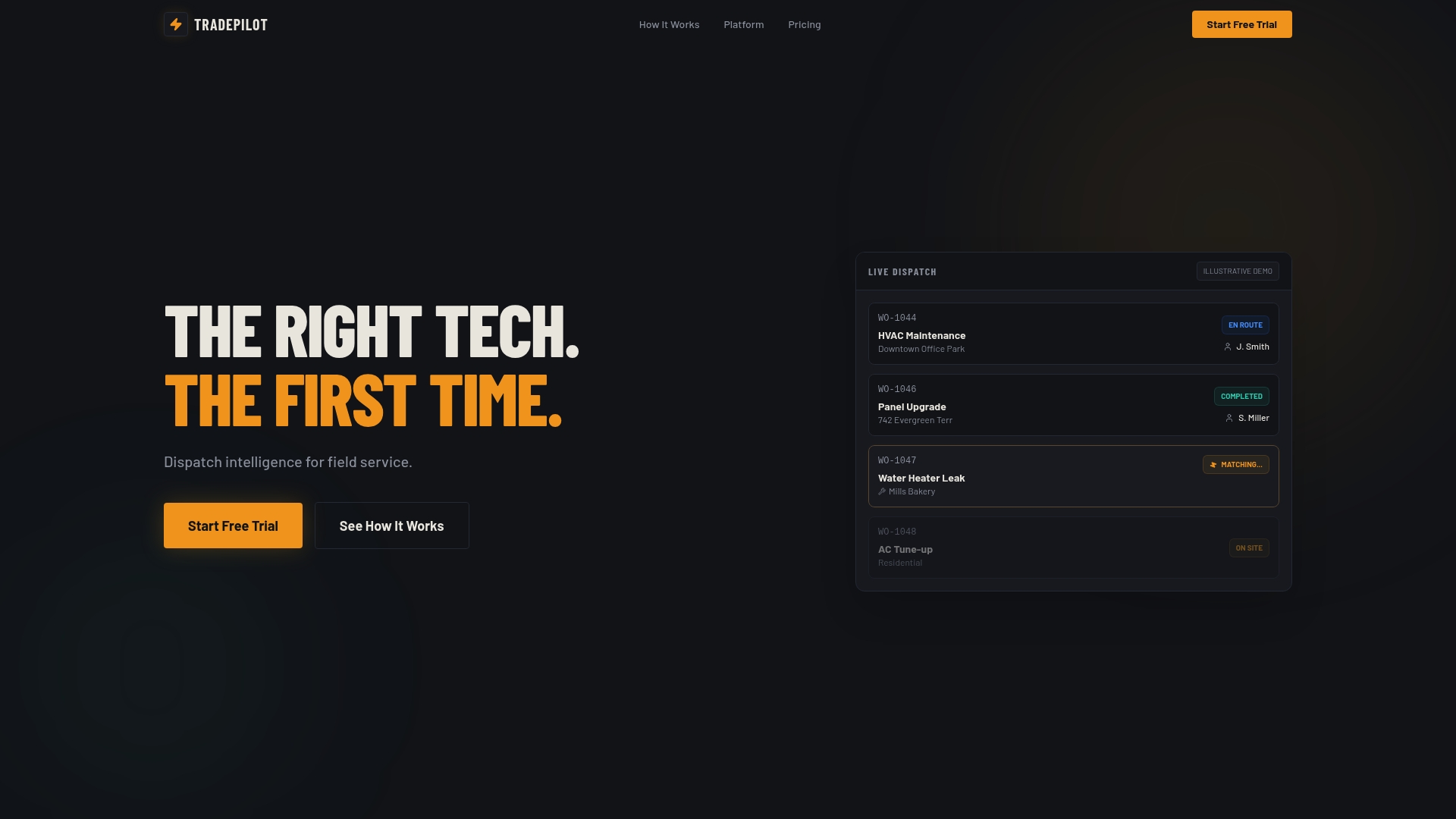
If you've read this far because your current dispatch process depends on one person's memory of who's good at what, that's the exact gap Tradepilot is built to close. Explore how the AI dispatching approach works for trades businesses, see what a realistic rollout costs in the dispatch software pricing guide, or go straight to Tradepilot to start a trial and see your own jobs matched to the right technician in under a second.
Sources
- Summary of hours-of-service regulations | FMCSA
- Reinforcement learning in the wild: scalable RL dispatching algorithm deployed in ridehailing marketplace
- Meituan’s real-time intelligent dispatching algorithms build the world’s largest minute-level delivery network
- Automated Dispatch Software | ServicePower